Will vs Trust: Estate Planning Basics for First Responders
Estate planning is easy to put off because it forces families to think about uncomfortable situations. But a clear plan can make life much easier for the people you love if something unexpected happens.
For police officers, firefighters, first responders, parents, and families with assets to protect, understanding the difference between a will and a trust is a smart starting point.
A will and a trust are both estate planning tools, but they do not work the same way. The right option depends on your family, your assets, your state, your goals, and the legal guidance you receive.
This article is for educational purposes only and should not be treated as legal advice. Speak with a qualified estate planning attorney about your personal situation.
Last updated: July 2026
Quick Answer
A will generally takes effect after death and may require probate. A trust can be used to manage assets during incapacity and may help avoid probate when it is properly created and funded.
The most important difference is that a will usually gives instructions after death, while a trust may help manage assets before and after death depending on how it is written.
Families should review their options with a qualified attorney so their wishes are clear and their loved ones are not left guessing.

Why Estate Planning Matters
Estate planning is not only for wealthy families or older adults. It is about making sure the right people know what to do if you are incapacitated or pass away.
A clear estate plan can help answer important questions.
Questions may include:
- Who should act on your behalf?
- Who should care for your minor children?
- Who should manage money for your family?
- How should your assets be distributed?
- What happens if family members disagree?
- Who has authority if you are unable to make decisions?
- What documents should your family be able to find quickly?
Without a plan, your loved ones may have to deal with court filings, delays, legal costs, and uncertainty during an already difficult time.
For first responders, this planning can be even more important because the job carries risks that many families do not face every day.
Why Families Often Delay Estate Planning
Many families delay estate planning because they do not want to think about death, incapacity, conflict, or medical emergencies.
But waiting can create bigger problems later.
A clear estate plan can help reduce confusion and give your loved ones better direction if something unexpected happens.
Will vs. Trust: The Basic Difference
A will and a trust are both estate planning tools, but they are not the same.
A will generally explains what should happen to your assets after you die. A trust can hold and manage assets while you are alive, during incapacity, and after death, depending on how it is created and funded.
The difference matters because families often assume a will is enough. In some cases, it may be. In other cases, a trust may provide more control, privacy, and planning flexibility.
What a Trust Does
A trust can hold and manage assets while you are alive, during incapacity, and after death.
In many estate plans, the person creating the trust may serve as trustee while they are able, then name a successor trustee to step in later.
One key difference is that a trust may help manage assets if someone becomes incapacitated, not only after death.
A properly created and funded trust may also help families avoid some of the court involvement that comes with probate.
What a Will Does
A will generally explains what should happen to your assets after you die. It can name a personal representative and provide instructions for how property should be distributed.
A will can also help parents express who they want to care for minor children if something happens to them.
But a will usually does not avoid probate. It may still need to go through court before assets are distributed.
Why Probate Matters
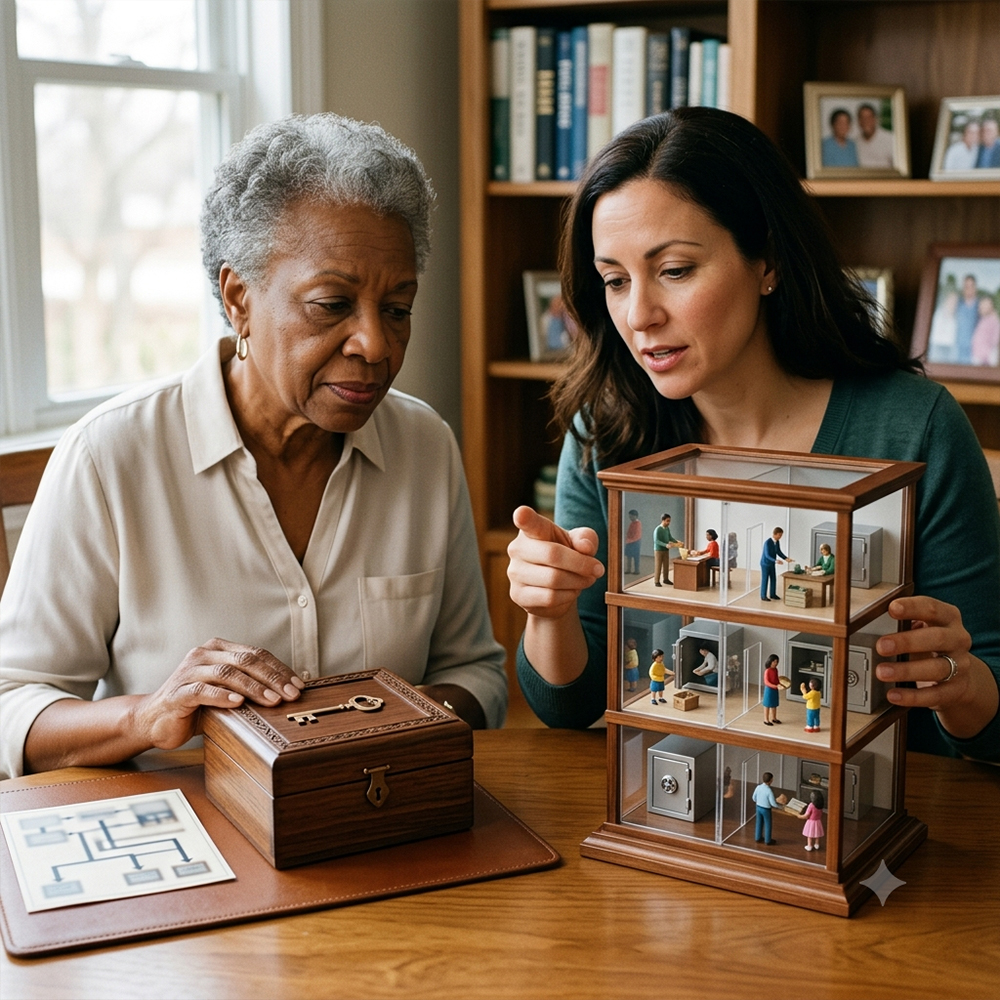
Probate is the court process used to administer certain assets after someone dies.
If a person dies with only a will, the family may still need to go to court. If someone dies without a will or trust, the process can become more complicated because state law may determine who has priority to act and how assets may be handled.
Probate can involve:
- Court filings
- Legal fees
- Publication requirements
- Waiting periods
- Creditor claim windows
- Court oversight
- Potential family disagreements
The episode highlights that probate can be time-consuming and stressful for families, especially when there is disagreement about who should manage the estate.
That is one reason many families explore trusts as part of their planning.
Probate Can Create Delays During A Difficult Time
When a family is grieving, court filings and legal steps can add stress.
Probate may also create delays before assets can be managed, transferred, or distributed. The exact process depends on the state, the assets, the estate documents, and the family situation.
This is why families should speak with a qualified attorney before assuming a simple will is enough.
Estate Planning Checklist for First Responders
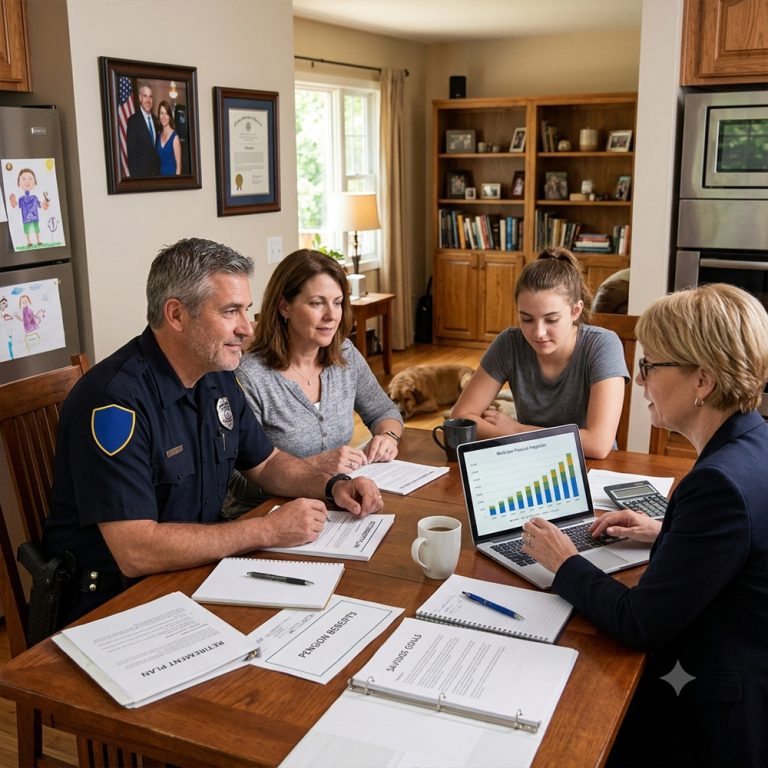
First responders, police officers, firefighters, and emergency professionals often carry risks that make planning early especially important. A clear plan can help reduce confusion for a spouse, children, parents, or other loved ones if something unexpected happens.
An estate planning conversation may include:
- A will
- A trust
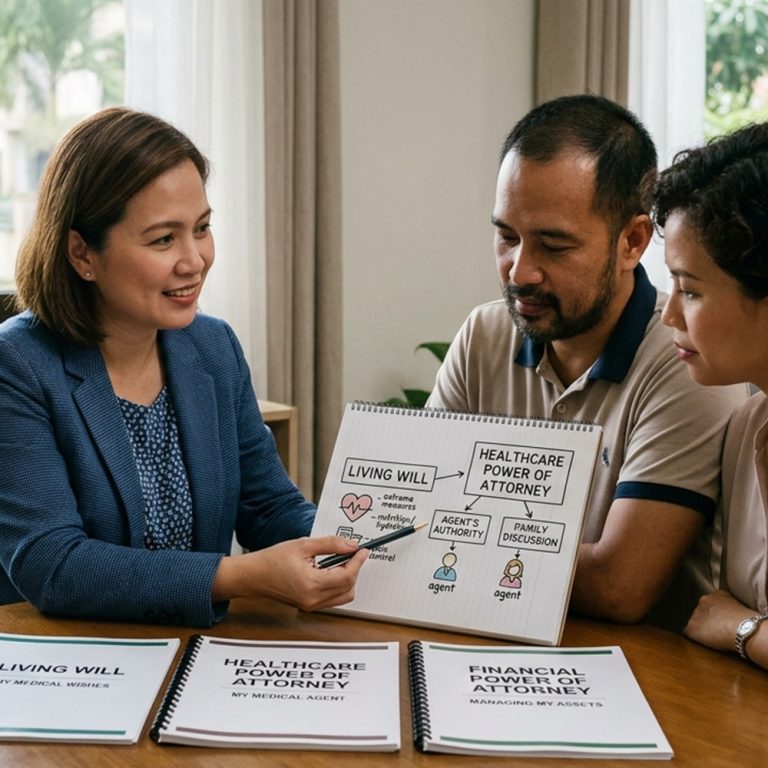
- Healthcare power of attorney
- Financial power of attorney
- Beneficiary review
- Life insurance review
- Guardian selection for minor children
- Successor trustee or personal representative selection
- Emergency access to important documents
- Review of real estate, LLCs, or business interests
These decisions should be reviewed with a qualified estate planning attorney. MAPFL can help families understand which planning questions may need to be discussed with the right licensed professionals.

Why Funding a Trust Matters
Creating a trust is not the same as funding a trust.
Funding a trust means making sure the right assets are actually placed into the trust or titled correctly.
This may include assets like:
- Real estate
- Certain bank or investment accounts
- Business interests
- Personal property with title or ownership documents
If assets are left outside the trust, the family may still need to deal with probate or additional transfer steps.
This is one of the most important lessons from the episode: a trust can be well-written, but if it is not funded properly, it may not accomplish what the family expected.
A Trust Must Be Connected To The Assets
A trust document alone may not control assets that were never moved into the trust or properly coordinated with the estate plan.
For example, real estate, LLC interests, accounts, and titled property may require additional steps.
Families should review this carefully with an attorney so the plan works the way they expect.
Why Parents and First Responders Should Plan Early
Parents should not wait to create a plan because estate planning is not only about assets.
It can also help clarify who should raise minor children and who should manage money for them.
Those may not be the same person.
For example, the person who would be loving and responsible as a caregiver may not be the best person to manage financial decisions. A thoughtful estate plan can separate those roles when needed.
For first responders, planning early is especially important. Police officers, firefighters, and emergency professionals face job-related risks, high stress, and demanding schedules.
A clear plan can help protect their families from confusion if something unexpected happens.
Caregiver and Money Manager May Be Different Roles
Parents often assume one person should handle everything.
But the best caregiver for minor children may not be the best person to manage money, property, or long-term financial decisions.
Estate planning can help families separate those roles when appropriate.

Real Estate, LLCs, and Business Assets
The episode also touches on real estate investing and business ownership.
For people who own rental property or plan to invest in real estate, asset protection and estate planning may overlap.
One concept discussed is the possible use of separate LLCs for separate properties, depending on the situation.
The goal is to help reduce risk exposure and keep ownership organized.
Business interests or LLC ownership may also need to be coordinated with the family trust so loved ones know what exists and how it should be handled.
This is an area where legal, tax, and financial professionals should work together. The right approach depends on the family, the assets, the state, and the long-term goals.
Why Business Assets Need Extra Attention
Business interests can create additional questions.
Who has authority to manage the business?
Who inherits the ownership interest?
Does the operating agreement match the estate plan?
Should the trust own the LLC interest?
Are tax professionals involved in the planning?
These questions should be reviewed before there is an emergency.

Final Thoughts
Estate planning is not just paperwork.
It is a way to protect your family from confusion, conflict, and avoidable stress.
A will can be helpful, but it may not be enough for every family. A trust can offer additional planning benefits, but only if it is created correctly and funded properly.
The most important step is to start the conversation before your family needs the answer.
MAPFL helps families think through protection, planning, and financial education topics so they can make more confident decisions.
Schedule a consultation: https://mapfl.com/schedule-your-appointment/
Contact MAPFL: https://mapfl.com/contact-us/
Call/Text: 602-526-3236
Reviewed by: MAPFL Editorial Team (Maximize Asset Protection)
Educational only. This article is not legal, tax, financial, insurance, or investment advice. Speak with a qualified attorney and other licensed professionals about your personal situation.

FAQs

Next Steps: Talk With MAPFL About Estate Planning Questions
Estate planning decisions should not be based on assumptions or delayed until there is an emergency. Families, first responders, police officers, firefighters, and business owners should understand how wills, trusts, probate, beneficiary planning, insurance protection, and long-term family goals may work together.
MAPFL can help you start the educational conversation, review which questions may matter for your situation, and identify which qualified professionals may need to be part of the discussion.
Book a Free Consultation:
https://mapfl.com/schedule-your-appointment/
Call/Text:
+1-602-526-3236
Contact:
Mario Lizarraga
Educational only. This article is not legal, tax, investment, insurance, financial, or retirement planning advice. Speak with a qualified estate planning attorney and other licensed professionals about your personal situation.
Reviewed by: MAPFL Editorial Team (Maximize Asset Protection)
Podcasts / Blogs Latest Episodes